
The charismatic leader and the blind spot
The dynamics of visibility
Some leaders fill a room before they say anything. They have energy, charm, presence and the ability to make people come along. They can speak in a way that gets a thought moving. They can give an idea shape, make people believe and create the sense that something is possible. Such a leader is good to watch and often good to follow.
But the charismatic leader often has one very large blind spot.
Their influence can be so strong that they don't notice when people are no longer responding to the real thought, but to their energy.
Three dynamics can work together here. The Star brings visibility, energy and the story. The Charmer builds relationships, reads the room and wins people over. The Know-It-All brings convincing clarity and can justify their point so well that others find it hard to argue. Taken separately, these are all leadership strengths. Together they can make a leader so persuasive that people no longer dare to tell them the full truth.
When you are loved but not fully trusted
The charismatic leader is often loved, popular and inspiring. People want to be in the same room with them, to please them and to go along with their energy. Their ideas seem bigger, because they can tell them vividly. Their certainty can give others certainty. Their visibility can give the whole organisation a face.
But that is exactly what makes one thing difficult: giving honest, uncomfortable feedback to the leader themselves.
When a leader shines, wins people over and is almost always convincing, disagreeing starts to feel risky. Not always officially. No one may forbid a different opinion. But a subtle psychological pressure forms in the room: it is easier to go along than to push back, easier to nod than to ask, easier to praise than to say something doesn't fit.
People learn quickly which reaction is safe near the leader. They smile, confirm, add and go along. They may not lie. They simply don't say everything. And a leader surrounded by agreement can start, little by little, to believe they are usually right.
This is how the blind spot forms.
The more charismatic the leader, the less honest information they may end up getting. Not because people deceive them on purpose, but because their shine, speed and persuasiveness make pushing back uncomfortable. They seem to be leading a great energy, but in fact they may be starting to lead an ever cleaner mirror that reflects back what they themselves brought into the room.
This is especially dangerous high up. The higher you are, the fewer people dare to tell you that you are wrong. And if you are also charismatic, fast, persuasive and used to leading the room, that number shrinks further.
At some point the question is no longer whether people trust you.
The question is whether they trust you enough to tell you an uncomfortable truth.
What this doesn't mean
It doesn't mean charisma is bad in leadership. The opposite. Energy, visibility, charm and the ability to bring people along are real leadership gifts. Many companies, teams and ideas wouldn't move forward at all if someone couldn't create belief in people before the results fully confirm it.
It doesn't mean the charismatic leader manipulates on purpose either. Often they don't sense at all that people no longer tell them the full truth. To them everything seems fine, because the feedback that reaches them is positive. People nod. The meetings are energetic. Ideas get support. There is little resistance. From the outside it can look like trust.
But quiet agreement isn't always trust. Sometimes it is adaptation.
And it doesn't mean the solution is to become dull, modest or artificially smaller. The leader doesn't have to extinguish their shine. The question isn't whether to be influential. The question is whether your influence leaves others enough room to be honest.
What a leader could ask
For the charismatic leader, the most valuable questions are exactly the ones their own shine can hide.
When did someone last genuinely disagree with me? Not politely add, not clarify a detail, but honestly say: "I don't agree." If that is hard to remember, you may no longer be getting the full truth.
Do the people around me say what they think, or what they think I want to hear? If you aren't sure, it is worth assuming part of the truth stays unspoken.
Who in my team isn't afraid of me? Not in a bad sense, but who dares not to automatically go along with my idea, energy and position. Every leader with strong influence needs more such people than they think.
Do I make disagreement genuinely safe, or only say it is welcome? These are two different things. A leader can say they want honesty, but if their face, tone or later behaviour punishes pushback, the team quickly learns to go quiet.
Does my persuasiveness make ideas better, or end the discussion too early? A charismatic leader can close the room with their clarity before others have finished thinking their thought through.
I know this pattern from my own experience too. I have built things with a lot of energy, belief and momentum, and learned that exactly when everyone around you comes along, you most need to look for the person who dares to say that you might be wrong. Not to take the momentum away, but so the momentum doesn't go blind.
Shine is a strength.
But shine that no one balances can leave a leader alone with their own picture of the world.
Charisma needs a counterweight
The gift and the risk of the charismatic leader are inseparable. The same influence that makes people come along can make them go silent. The same persuasiveness that helps sell a vision can stop others saying there is a flaw in the vision. The same energy that gives an organisation momentum can fill the room so much that other people's quieter thinking no longer fits in.
This usually doesn't happen with bad intent. The leader simply gets used to their thoughts moving fast in the room. To their ideas getting support. To their words giving direction. To people coming along. And when this has been so for a long time, it can be very hard for them to tell real agreement from adaptation.
That is why a charismatic leader needs, on purpose, someone their shine doesn't affect the way it affects the organisation. Someone who isn't interested in pleasing them, getting their approval or confirming their picture. Not to reduce their energy, but to help them see what their own influence may make invisible.
A good mentor or coach doesn't let themselves be dazzled by the leader's charisma. They don't compete with it, but they don't submit to it either. They can ask the questions the team no longer asks. They can reflect where influence creates movement and where it starts closing honesty. They help the leader see whether there is real dialogue around them or well-trained agreement.
If you feel that the people around you almost always come along, in Evoluna you can find a mentor or coach to examine your leadership pattern, the effect of your visibility, and whether there are enough people in your organisation who can still tell you the truth.
Because the charismatic leader's greatest danger isn't that no one trusts them.
The danger is that they are trusted, admired or feared too much for anyone to tell them the truth.
Kuidas see artikkel sind puudutab?
Kommentaarid
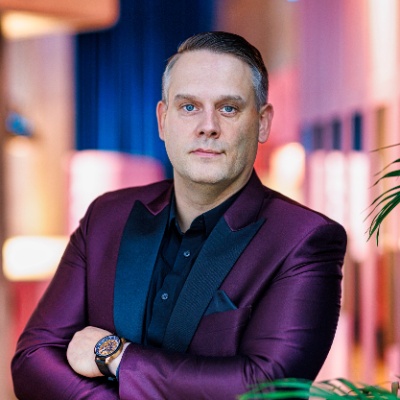
Pert Lomp
Strateegiline mentor ja süsteemide looja
Olen strateegiline mõtleja ja süsteemide looja, kes aitab inimestel ja organisatsioonidel liikuda kaosest selguse, struktuuri ja tulemuste suunas. Minu tugevus seisneb võimes näha suurt pilti ning siduda omavahel tehnoloogia, finantsid ja juhtimine tervikuks, mis päriselt töötab. Mul on üle 25 aasta kogemust erinevates rollides – alates tehnoloogia ja meedia valdkonnast kuni juhtimise, äriarenduse ja strateegilise nõustamiseni. Tegutsen täna eelkõige mentorina ja partnerina inimestele, kes on jõudnud punkti, kus järgmine samm ei vaja enam rohkem infot, vaid selgust, otsust ja suunda. Mind käivitab kasv – nii inimeste kui süsteemide tasandil. Usun, et enamik piiranguid ei tule väljastpoolt, vaid meie enda mõtteviisist, harjumustest ja uskumustest. Minu roll on aidata need mustrid nähtavaks teha, need lahti murda ning asendada need toimivate, teadlike valikutega. Minu lähenemine on kombinatsioon ratsionaalsest strateegiast ja sügavamast inimlikust mõistmisest. Töötan seal, kus kohtuvad loogika ja sisemine areng – kus otsused ei ole ainult õiged Excelis, vaid ka kooskõlas inimese tegeliku potentsiaali ja suunaga. Mentorina olen otsekohene, kohal ja tulemustele suunatud. Ma ei paku pehmendatud vastuseid, vaid selgust. Samas loon ruumi, kus inimene saab turvaliselt mõelda, näha ja kasvada. Minu jaoks on kõige suurem väärtus hetk, kus inimese sees tekib “klõps” – kui segadus asendub arusaamisega ja ebakindlus muutub teadlikuks liikumiseks edasi. Kui oled punktis, kus tead, et oled võimeline enamaks, aga vajad selgust, struktuuri ja tuge järgmise sammu tegemiseks, siis siin me kohtume.