Skip to content
Lifestyle and coaching

Coaching

A structured development conversation in which the coach does not hand you answers, but helps you reach your own clarity and next step.

What is coaching?

Coaching is a goal-directed, structured working partnership in which a coach supports a client in defining and reaching the client's own goals. A coach does not treat illness and does not work with mental disorders. The work runs from the present towards the future, through questions, reflection and agreed steps.

What separates coaching from counselling and consulting is who owns the content. A therapist often works with the past, with symptoms and with recovery. A consultant gives a recommendation based on their own expertise. A coach starts from the assumption that the answers are already with the client, and the job is to draw them out and turn them into action.

The modern form of coaching took shape in the 1970s and 1980s, when Timothy Gallwey carried observations from sports psychology into working life and John Whitmore formalised them into the GROW model. The International Coaching Federation (ICF) was founded in 1995 and created the first widely adopted code of ethics and credentialing system. In Europe, EMCC plays a comparable role.

Coach is not a protected professional title in Estonia or in the European Union. This means the state does not vouch for a coach's quality. The check sits with the client: what training, which credential, how many practice hours and which code of ethics stand behind this particular person.

Who is a coach?

A coach is a practitioner who has completed methodical coach training and works to an agreed code of ethics. Because the title is not protected, the practical measures of competence are the volume of training, the certifying body (ICF, EMCC or ESCÜ), the number of practice hours, regular supervision and a clear written agreement with the client.

A coach does not give you the answer. A coach helps you put words to what you already know, and turn it into the next step.

The core components of coaching

Responsibility stays with the client

A coach does not take over your decision or your responsibility. The coach owns the process, you own the content and the outcome. This is the single clearest difference from counselling and consulting.

A structured process

A session is not a free-form chat. Most coaches work within a recognised framework (for example GROW: goal, reality, options, way forward) that moves the conversation from reflection to a concrete step.

Question before advice

The coach's main tool is the question, not the recommendation. The aim is to widen the client's own view of the situation rather than replace it with the coach's.

Agreement and confidentiality

Professional coaching starts from a written agreement: goal, number of sessions, fee, cancellation terms and confidentiality. When an employer pays, what is reported back to them is agreed separately and in advance.

A measurable goal

Coaching is judged against the goal the client set, not against a general sense of wellbeing. Goal attainment is also where the research shows coaching's strongest effect.

Knowing the boundary

A competent coach recognises when a topic crosses out of coaching (depression, anxiety disorder, trauma, addiction, acute crisis) and refers the person to a psychologist, psychotherapist or doctor.

Forms of coaching

Individual coaching

One-to-one work on a goal, a choice or a change. The most common form.

Leadership and executive coaching

Work on the leadership role, decision-making, the team and self-management. Often funded by the employer.

Team and group coaching

The coach works with a whole team or group at once, focusing on a shared goal and the pattern of collaboration.

Life and lifestyle coaching

Work on everyday choices, habits, balance and direction outside of work.

Coaching online

Sessions by video call. This is well established in coaching and does not require meeting in person.

Coach training and credentials

Because there is no statutory requirement, the credential is the main verifiable quality signal. The three names you meet most often in Estonia are ICF, EMCC and ESCÜ. All three require both taught hours and evidenced practice, not merely course attendance.

  1. 1

    ICF ACC (Associate Certified Coach)

    At least 60 hours of coach-specific education, 100 hours of coaching experience, mentor coaching, an assessed recorded session and a knowledge assessment.

  2. 2

    ICF PCC (Professional Certified Coach)

    At least 125 hours of education and 500 hours of coaching experience. In Estonia this is the most common serious level among experienced coaches.

  3. 3

    ICF MCC (Master Certified Coach)

    At least 200 hours of education and 2,500 hours of coaching experience. The highest ICF level internationally and rare in Estonia.

  4. 4

    EMCC EIA, four levels

    The European professional body's accreditation: Foundation, Practitioner, Senior Practitioner and Master Practitioner. Beyond hours, EMCC also assesses reflective practice and supervision.

  5. 5

    The ESCÜ quality system

    The Estonian Supervision and Coaching Association's own quality system describes supervisor and supervisor-coach levels 6, 7 and 8. It is an association scheme, not a state certificate.

  6. 6

    Supervision

    An experienced coach takes their own work to supervision regularly, where another practitioner reviews it. It is reasonable to ask whether a coach does this.

  7. 7

    ISO 24065

    An international guidance standard for delivering coaching services (contracting, roles, competence, ethics, confidentiality). It addresses the service, not an individual licence.

Estonia has no state occupational standard for coaches. There is no coach qualification in the Estonian Qualifications Authority register and no organisation issues a state certificate to a coach. Everything listed above is a voluntary quality mark from a professional body. Their absence does not automatically mean a poor coach, but their presence is the one thing you can verify from the outside. One caveat about the Estonian qualifications register: entries there containing the English word “Coach” usually denote a sports coach and do not evidence any state qualification in personal or professional coaching.

Who vouches for coaching quality in Estonia

Estonian Supervision and Coaching Association (ESCÜ)

ESCÜ is Estonia's professional association for supervision and coaching. It brings practitioners together, maintains a code of ethics and describes its own quality system. Internationally, the local ICF association (ICF Estonia, coaching.ee) is active here, with 117 members as of July 2024, alongside the European body EMCC.

An important clarification: none of these is a state licensing authority. They are professional associations and both membership and accreditation are voluntary. Their value to a client is that a member has bound themselves to a public code of ethics and a complaints procedure.

Role
Professional association, not a state licensing body
International
ICF (global), EMCC (Europe)
State licence
None
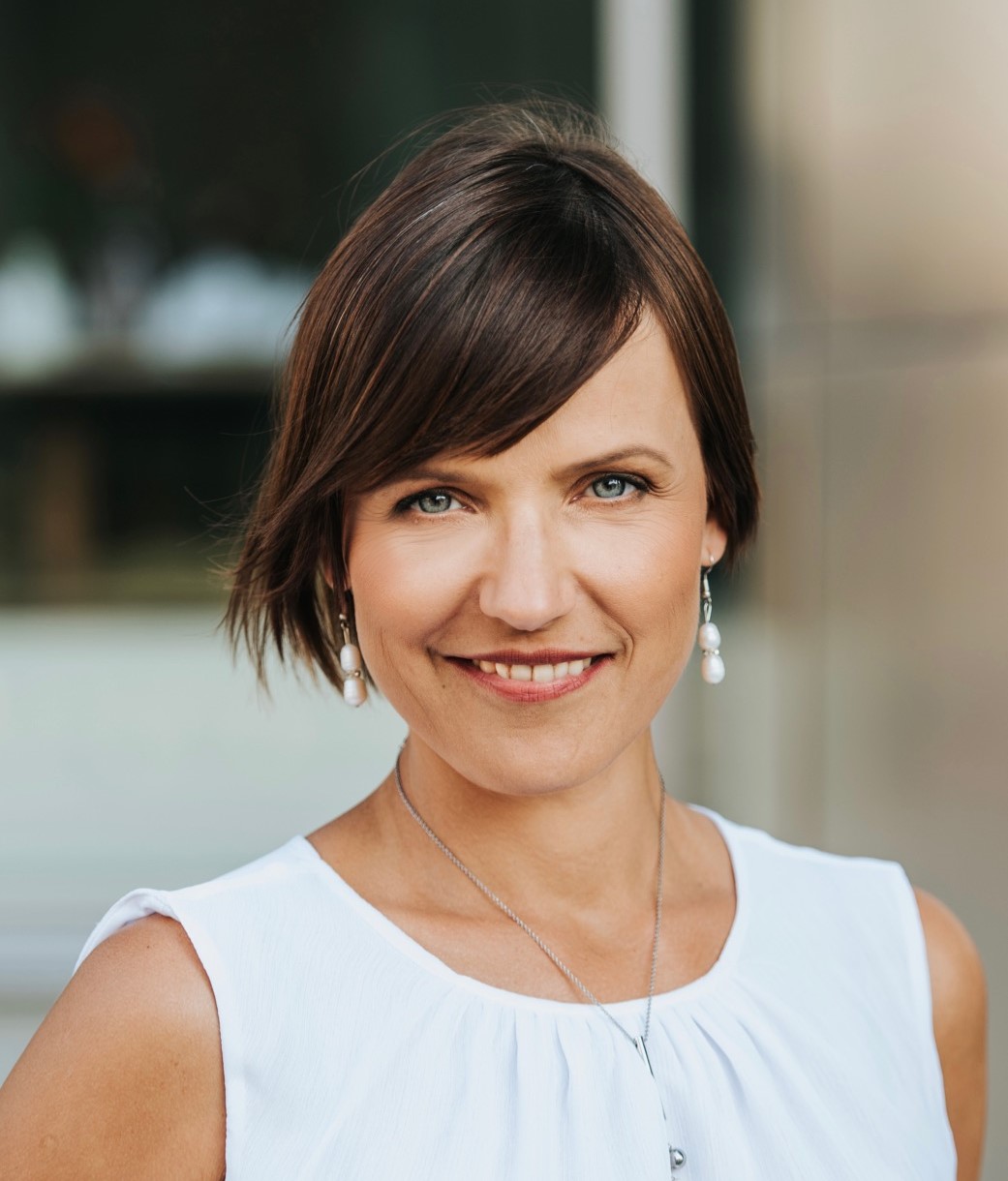
Anneli Ohvril
Mentor
0,0(0)
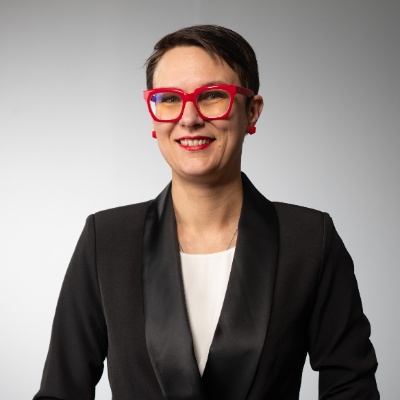
Anneli Ohvril

Anneli Ohvril possesses over two decades of invaluable experience in effectively leading both local and global teams and projects with a significant social impact. As the Founder Member and former CEO of Let's Do It World, one of the world's largest environmental organizations, she spearheaded initiatives across 164 countries, addressing the pressing issue of waste management on a global scale. Notably, under her guidance, the organization's flagship project, World Cleanup Day, garnered active participation almost 100 million individuals representing 198 nations, showcasing remarkable success over the past six years. Anneli is widely recognized as an accomplished speaker, trainer, and coach, driving positive change through the initiation of numerous social movements and projects, both locally and globally. Anneli has been awarded as the Trainer of the Year in 2022 and 2023 by IT Koolitused/ Äripäev Academy. Additionally, she is the Outstanding Young Person of Estonia in 2012, and in 2022, she was bestowed with the esteemed Order of Merit by the Ministry of Foreign Affairs. Overall, Anneli Ohvril's professional journey is marked by a relentless commitment to creating a positive and sustainable impact on a global scale.

Serves in: EestiEEEesti
🇬🇧🇪🇪
Price to be agreed
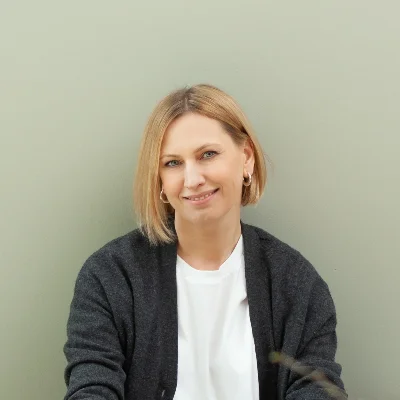
Kristel Vaher
Mentor and Team Coach
0,0(0)
Kristel Vaher
Eesti Mentorite KodaEesti Mentorite Koda

Practical curiosity on see, mis hoiab mind liikumas. Mind huvitab üks küsimus, mida ikka edasi uurin ja vastuseid otsin: kuidas inimesed ja tiimid otsustavad ja asju valmis saavad? Mitte kuidas me arvame, et otsustame, vaid mis tegelikult juhtub selles hetkes, kus midagi tuleb ette võtta või kõrvale jätta. Olen mõelnud paljudele kordadele, kus keegi teadis täpselt, kuidas “õigesti” teha, ja asi kukkus ikkagi kokku. Aja jooksul olen jõudnud tähelepanekuni, mille juurde ma tihti tagasi tulen: teadmine ja olukorra mõistmine on kaks eri oskust. Valemid ja teadmised elavad peas valmis vastustena; otsus sünnib alles hetkes, selle konkreetse asja sees olles. Ja vahel katab esimene teise lihtsalt kinni. Veel rohkem huvitab mind see, mis juhtub enne otsust, see vaikne koht, kus otsustame, kas üldse märgata. Sageli ei jää asi tegemata teadmise, vaid tunde taha: me väldime seda, mis nõuab meilt midagi tunda. Just sellesse ruumi, mis on enne otsust tahan ma selgust tuua. Uurin, mõtlen ja kirjutan mõtestatud juhtimisest, tootearendusest ja otsustamisest kui oskusest, mida saab harjutada. Kui need teemad sind kõnetavad ja tahad nende üle pikemalt mõelda, kirjuta. Jutustame.

Serves in: Eesti · EnglishEEEesti,GBEnglish
🇬🇧🇪🇪
140
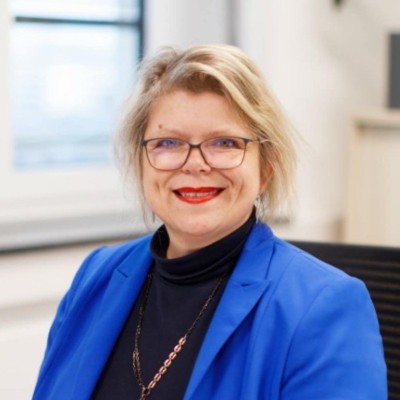
Kristjan Kaskman
Leadership Consultant, Trainer, Mentor
0,0(0)
Kristjan Kaskman

"To the leader who took care of us." This is the greatest message from my team I ever received. Great thoughts from important people: • "… ask not what your country can do for you—ask what you can do for your country." - John F. Kennedy • "A good commander is benevolent and unconcerned with fame." – Sun Tzu • "Success is the ability to go from failure to failure without losing your enthusiasm" – Winston Churchill • "The essence of leadership is to get others to do something because they think you want it done and because they know it is worth while doing -- that is what we are talking about. - Dwight D. Eisenhower • "It's nice to be important but it's more important to be nice." – Scooter

Serves in: EestiEEEesti
🇬🇧🇪🇪
1190
Specialist
Supervisor-Coach (Level 7), Trainer, Psychological Counselor
0,0(0)
Specialist

My superpower is collaborative thinking in finding solutions. I am a career changer in my work life, having moved from data and numbers through studies to working with people. This work is my calling, which I love, for which I work myself, which inspires me. I built a strong foundation for working with people through studies at the Professional Psychology Private School and the International Supervision and Coaching Institute. In addition to long-term practical experience and training, my professional journey is supported by a master's degree in andragogy from Tallinn University and from the Faculty of Economics at the University of Tartu. In counseling, I primarily use knowledge and skills from cognitive behavioral therapy, systemic and solution-focused approaches. I consider the most important things to be human wholeness, a trusting relationship and honest dialogue. From 2005–2021, I worked at the Estonian Unemployment Insurance Fund as a career counselor and head of the career center. This time gave me deep experience in supporting people in processes of change and decision-making. I help turn dreams into goals and goals into actions, increase awareness of one's assumptions, abilities and development areas, find the best opportunities for self-realization. I am useful when you need tailored solutions for yourself or your team in case of stressful work and client relationships, coping with difficult emotions or changes, creating role clarity, setting boundaries. I believe that what we pay attention to grows, that no one is alone and solutions can always be found. I have supervisor-coach qualification level 7 and career counselor qualification level 6.

Serves in: EestiEEEesti
🇬🇧🇪🇪
Price to be agreed

Frequently asked questions

What is the difference between a coach and a therapist?
A coach works from the present towards the future, assuming the client is well and able to decide for themselves. A therapist or psychotherapist often works with the past, with symptoms and with mental health, and holds clinical training for it. If your concern is anxiety, depression, trauma or addiction, the right address is a therapist, not a coach.
What is the difference between a coach and a mentor?
A mentor has lived experience in your field and may recommend directly on that basis. A coach is not expected to: they deliberately withhold advice and work with how you see the situation. A simple test: if you want someone to tell you what to do, you want a mentor.
Does a coach have to be certified?
Not by law. Coach is not a protected title in Estonia and anyone may call themselves one. That is precisely why a credential (ICF, EMCC or ESCÜ) is in practice the only verifiable quality signal you can check before a first session.
How much does coaching cost in Estonia?
Across Estonian price lists visible publicly in 2026, an individual 60 to 90 minute coaching session mostly fell between 60 and 150 euros. Experienced credentialed coaches and executive coaching sit above that. These are market ranges drawn from individual price lists, not official statistics or a median. Always ask whether VAT is included, how long the session is and what the cancellation terms are.
Does the Estonian Health Insurance Fund cover coaching?
No. Coaching is not a healthcare service, so the Health Insurance Fund does not fund it and a referral is neither needed nor available. Coaching is paid for by the individual or by their employer.
How long does a coaching process take?
A typical session runs 45 to 90 minutes. The common pattern is 5 to 10 sessions every two to four weeks, so three to six months in total. A single session rarely produces lasting change, because the change happens in the steps taken between sessions.
Does coaching actually work?
It depends which coaching you mean. Workplace and leadership coaching has randomised trials and meta-analyses behind it: Theeboom et al. (2014) found an overall effect of g = 0.66, Jones et al. (2016) δ = 0.36 and Wang et al. (2021) g = 0.51, and a 2023 analysis covering 37 randomised trials confirmed a statistically positive effect. The evidence base for general life and lifestyle coaching is distinctly thinner and the findings less consistent. The effect is strongest for goal attainment and self-efficacy and weaker for independently rated job performance. Coaching does not treat depression, anxiety disorder, trauma or addiction, and outcomes cannot be promised.
How do I choose the right coach?
Look at three things: the credential and volume of training, experience with your particular kind of topic, and personal fit. Most coaches offer a free or short introductory call, so use it. Ask how they work, what code of ethics they follow and whether they attend supervision.
What is coaching not?
Coaching is not treatment, therapy, diagnosis or medical intervention. It does not replace the help of a psychologist, psychotherapist or doctor. Nor is it counselling or consulting, where someone tells you what to do.

Sources

*) Coach is not a protected or state-regulated professional title in Estonia or the European Union. Coaching is not a healthcare service and does not replace the help of a psychologist, psychotherapist or doctor. Evoluna does not recommend or vouch for any individual practitioner: Evoluna provides an environment where you can compare a practitioner's background, training and working method and make an informed choice yourself. Always check the credential, ask for an introductory call and trust your own read on the fit.

Find the right coach for you

Browse coach profiles on Evoluna, compare training and working methods, and book a first conversation.