
One Conversation Ten Years Earlier
One conversation that many people wish they had ten years ago
Over the past year, I've spoken with many people who have reached their 50s and 60s. One thought comes up with striking regularity in their stories. It's not about money, work, or health. It's about a conversation with themselves that could have started much earlier.
When you ask people what they wish they had done sooner, the familiar answers tend to come first.
Invest earlier. Travel more. Spend more time with the kids. Take better care of their health. Stop taking so many things to heart. All of these are real answers.
But one answer keeps surfacing from somewhere deeper.
"I wish I had started talking honestly about my life sooner — and getting real reflection back."
Not with important people they needed to impress. Not just with friends who already know their story too well. But with someone whose only job is to help them understand themselves more clearly.
The wording varies, but the meaning is often the same.
"A person doesn't only regret what they did or didn't do. They regret not stopping sooner to ask — whose life am I actually living?"
Why does this conversation only surface so late?
For generations, people here have been told to push through, endure, and manage on their own. These principles aren't wrong in themselves. Many of us have used them to build homes, careers, families, businesses, reputations, and a sense of security. But every strength has its shadow side.
When a person spends too long learning only how to cope, they can start viewing their life primarily from the outside.
Is there a job? Are the bills paid? Is the family taken care of? Are the obligations met? Can others count on me? Everything seems to be working.
But at some point, a question arises that can no longer be buried in a calendar, a spreadsheet, or the next goal. Did I choose this life consciously, or did I simply move along a path that felt right, normal, and expected? Was I steering and choosing the road, or was I just turning the wheel in whichever direction the road was already taking me?
People in their 50s and 60s don't usually regret building a career, raising children, or carrying responsibility. What they tend to regret is not taking the time sooner to understand how many of those choices were truly their own — and how many came from parents, society, fear, a sense of duty, or the expectations of others.
Starting this conversation at 60 is not too late. It never is. But many arrive at the same realization — that if they had started asking these questions a little earlier, it would clearly have brought more richness back into their lives.
Which conversations get started too late?
There are three themes people often only reach later in life.
The first is relationships
Not just marriage or romantic partnership, but relationships in the broader sense. Friends. Colleagues. Parents. Children. Siblings. People with whom decades of quiet tension, unspoken words, and recurring patterns have been carried.
Many relationships don't break apart over a single major conflict. They simply wear out from silence.
Over years spent together, so much accumulates — things left unsaid, unasked, ununderstood. Or taken for granted. And at some point, you're no longer sure whether the relationship is genuinely close or simply familiar.
The second theme is work and identity
Not just the job title or the salary, but the question — who am I behind this work?
When a person has spent decades as a leader, specialist, entrepreneur, teacher, civil servant, or "the one everyone can always rely on," the professional role can grow so large that the person themselves disappears into its shadow.
When the pace slows or the role changes, an emptiness can emerge. This is often the challenge for long-serving leaders who find themselves forced to step away from a position.
Inevitably, questions and dilemmas surface. Who am I if I'm no longer defined by my job title? Who am I when no one needs me in the same way anymore? What remains when the calendar no longer tells me every day who I am and what I should be doing next?
This question can be more painful than we usually admit — and it often leads to a real low point.
The third theme is the inner voice
The way a person talks to themselves. Many people are familiar with an inner voice that almost never acknowledges what's good, but criticizes quickly and loudly.
Be stronger. Stop complaining. You should have done better. Others have it harder. What's wrong with you? Don't make yourself out to be so important.
"When a person has lived with that kind of inner commentator for 40, 50, or 60 years, they may one day realize that the harshest person in their life has been living inside their own head."
And then comes a quiet thought — a recognition. I should have been gentler with myself. I should have pushed back against that voice much sooner.
Is it too late if you're already 50 or 60?
It isn't. Many people begin these conversations precisely in their 50s and 60s. And there is often tremendous power in those conversations, because the person is no longer there to impress anyone. They're no longer playing a role. They're finally ready to ask honestly and look inward.
What is truly mine? What do I still want? What have I been looking past for too long? What am I no longer willing to carry? How do I want to live the next ten or twenty years?
"It's not about age. It's about the difficulty of starting."
When you've spent decades living by the belief that you can handle everything yourself, seeking support can feel unfamiliar — even uncomfortable.
But what a person in that situation needs isn't always help in the traditional sense. Often, what's needed is a mirror. Someone whose only job is to listen, to notice, and to help you see what you can no longer see from inside your own story.
Where to begin that conversation?
Talking to a friend can be valuable, but it isn't always enough — because we wear masks even with friends, and somewhere inside there's still the desire to be liked.
A friend knows you through your shared history. They may love you, support you, and know you well — but their responses are often filtered through the friendship itself, through habit, and through the stories you've built together. They may not reflect the full truth, because friendship by its nature doesn't want to cause the other person discomfort.
Sometimes what's needed is someone who comes to your story fresh. Someone who isn't part of your family system, your work environment, or your old role. Someone who doesn't need to protect the self-image you've built up over the years. Someone who helps you ask the questions you haven't yet dared to ask yourself. Someone you don't need to impress.
At Evoluna, we've built a system specifically to make that first step easier.
Some people need a therapist. Some need a mentor. Some need a coach. Others need a specialist in physical health, wellbeing, or mindfulness practice. Often, a person doesn't even know at the start what kind of support they actually need.
That's why Evoluna doesn't start with a specialist's title — it starts with where you are right now.
You can browse specialist profiles or answer a few questions to see which profiles align more closely with what you've described.
If you're reading this right now and something in you is responding — that may be the signal. There's no need to wait another ten years before doing something about it.
Sometimes one honest conversation with someone who knows how to listen — and genuinely wants to — is enough to begin.
If you're thinking that maybe it's time to start, read The First 30 Days — an honest description of what the first month actually brings.
Pert Lomp is the founder of Evoluna, an alumnus of the Fontes leadership mentoring program, and an EMCC-certified mentor.
Content marketing: Evoluna
Kuidas see artikkel sind puudutab?
Kommentaarid
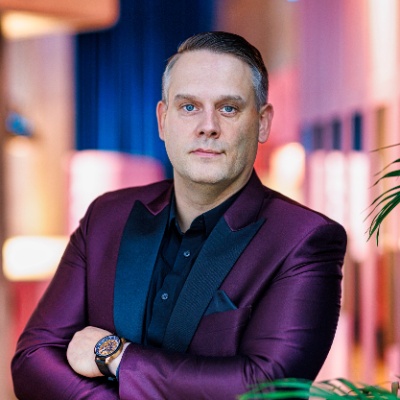
Pert Lomp
Strateegiline mentor ja süsteemide looja
Olen strateegiline mõtleja ja süsteemide looja, kes aitab inimestel ja organisatsioonidel liikuda kaosest selguse, struktuuri ja tulemuste suunas. Minu tugevus seisneb võimes näha suurt pilti ning siduda omavahel tehnoloogia, finantsid ja juhtimine tervikuks, mis päriselt töötab. Mul on üle 25 aasta kogemust erinevates rollides – alates tehnoloogia ja meedia valdkonnast kuni juhtimise, äriarenduse ja strateegilise nõustamiseni. Tegutsen täna eelkõige mentorina ja partnerina inimestele, kes on jõudnud punkti, kus järgmine samm ei vaja enam rohkem infot, vaid selgust, otsust ja suunda. Mind käivitab kasv – nii inimeste kui süsteemide tasandil. Usun, et enamik piiranguid ei tule väljastpoolt, vaid meie enda mõtteviisist, harjumustest ja uskumustest. Minu roll on aidata need mustrid nähtavaks teha, need lahti murda ning asendada need toimivate, teadlike valikutega. Minu lähenemine on kombinatsioon ratsionaalsest strateegiast ja sügavamast inimlikust mõistmisest. Töötan seal, kus kohtuvad loogika ja sisemine areng – kus otsused ei ole ainult õiged Excelis, vaid ka kooskõlas inimese tegeliku potentsiaali ja suunaga. Mentorina olen otsekohene, kohal ja tulemustele suunatud. Ma ei paku pehmendatud vastuseid, vaid selgust. Samas loon ruumi, kus inimene saab turvaliselt mõelda, näha ja kasvada. Minu jaoks on kõige suurem väärtus hetk, kus inimese sees tekib “klõps” – kui segadus asendub arusaamisega ja ebakindlus muutub teadlikuks liikumiseks edasi. Kui oled punktis, kus tead, et oled võimeline enamaks, aga vajad selgust, struktuuri ja tuge järgmise sammu tegemiseks, siis siin me kohtume.