
Not Bad. Not Right.
A job that isn't bad, but isn't right either. What do you do with that?
Career conversations tend to focus on bad jobs: toxic managers, underpaid roles, burnout, and environments you should have left yesterday. But a great many people who feel stuck in their careers are not in bad jobs. They are in perfectly decent jobs that simply no longer feel like theirs.
You have probably felt this.
The job is not bad. The pay is normal, maybe even good. The manager is not "difficult." The colleagues are mostly reasonable. The work itself does not destroy your soul. You do not go to bed on Sunday night with that particular stomach-knot you could call work anxiety.
And yet some mornings you sit down at your desk, look at your calendar, and something inside you quietly flinches.
Is this really it?
You tell yourself you are probably being too demanding. That plenty of people would love your job. That you should be more grateful. That every job has its hard parts. That you cannot expect to feel inspired every single day.
Then you open the next meeting, reply to the next email, and carry on.
Six months later you are still there. A year later, the same. Sometimes three years later too.
"OK" is the hardest trap of all
Leaving a truly bad job is painful, but the logic is usually clear. When the environment is toxic, the leadership is damaging, the pay does not match the responsibility, or the work is starting to affect your health, your body and mind eventually get the message: it is time to move on. Leaving may be hard, but the reason is understandable and nameable.
An "OK" job is far more insidious.
You have no strong external argument. You cannot say you are being treated badly. You cannot say the job is a disaster. You cannot say everything is wrong. And that is precisely why it is so hard to admit to yourself that something does not fit.
When someone close to you asks, "But what exactly is the problem?" you may not have a ready answer. The problem is not one person, one project, or one salary figure. The problem is that this job no longer feels like your job. It is simply a job you arrived at through a series of logical steps.
At first it is a small internal dissonance. Over time it becomes a quiet habit. And eventually a person can start to believe that work is just something you do for the paycheck, and that real life begins after the workday ends.
For some people, that works perfectly well. And there is nothing wrong with that.
But when work takes up a large share of your energy, your time, and your sense of self — yet is no longer connected to who you actually are or where you want to go — that is not just professional discomfort. It is a clear signal worth paying attention to.
Sometimes the greatest career risk is not choosing the wrong job. The greatest risk is staying too long somewhere that is not bad enough to leave, but not right enough to keep you alive inside.
Why conventional career advice may not help
Much of the career advice you find online falls into fairly simple categories. One type teaches you how to negotiate a better salary, polish your CV, or improve your LinkedIn profile. That can be genuinely useful when the problem is landing the next role, reaching a better position, or raising your professional visibility.
Another type focuses on how to leave a toxic environment, recover from burnout, or follow your great passion. That too can be exactly right when someone is in a truly broken situation.
But with an "OK" job, neither frame may fully fit.
Your problem may not be your salary. Your problem may not be your manager. Your problem may not be burnout. And you may not have one great passion waiting to justify turning your entire life upside down.
What you may have instead is the feeling that you have arrived somewhere that once made sense, but no longer feels alive — somewhere that no longer lights you up.
In that case, "where do you want to be in five years?" may not be the best place to start. Many people do not know. If they did, they would not be stuck.
A better starting point might be something else entirely: when did you last feel genuinely present in your work? Which activities drain your energy, and which ones restore it?
Which roles have grown onto you over time but no longer belong to your next chapter? What are you actually willing to be responsible for — and what are you simply used to being responsible for?
These are not only career questions. They are questions of identity.
What actually helps
When a job is bad, the solution can be fairly concrete: leave, apply elsewhere, negotiate, or change your working conditions. When a job is "OK" but internally wrong, you first need to understand what exactly is out of tune.
That does not mean you should quit immediately. On the contrary — making a fast and dramatic decision before you understand what you are actually looking for is often the worst move you can make.
The first step is not a resignation letter.
The first step is a more honest understanding.
Sometimes what helps is a coach who can create structure and ask the questions you do not ask yourself. Sometimes it is a mentor who has navigated a similar turning point in life or career. Sometimes it is a therapist, when dissatisfaction at work is connected to deeper patterns, fears, or questions of self-worth.
The right person will not rush you into a new title or a new field. They will help you first understand what is actually flinching inside you in this current place.
Are you tired of a specific role, or of the entire field? Do you need more freedom, more responsibility, more meaning, more creativity, more impact, or more stillness? Is the problem the work itself, or the version of yourself you have had to become in order to fit inside it?
These questions may not find their answers in a single evening. But leaving them unasked can keep a person for years in a place that looks fine from the outside while quietly emptying out on the inside.
And that is the quietest danger of the "OK" job. It rarely breaks you in a single day. It does something more subtle. It gradually trains you to live a life that is almost yours.
Where to start
If you are reading this and recognise that small internal flinch, you do not need to make a radical decision. You do not need to write a resignation letter tomorrow. You do not need to turn everything upside down. You do not even need to know right now what you want next.
But you could start taking seriously the fact that something in you is already asking.
Evoluna has specialists who work with exactly these kinds of situations. Some focus on career and leadership coaching, some on mentoring, some on deeper questions of self-understanding. If you already have a sense of what kind of support you are looking for, you can browse the profiles of relevant specialists and take your time comparing them.
If you are not yet sure what you need, you can answer a few questions. The system will help you see which profiles might be a better fit for your situation.
An "OK" job is not a life mistake. For many people, stable and sensible work is a genuinely good choice.
But if you already know that this place is no longer yours, ten years of quiet self-betrayal can make it one.
Sometimes a career shift is not a leap into the unknown.
Sometimes it begins with one honest conversation about why something that looks fine from the outside no longer feels right on the inside.
If you feel stuck but can't quite put into words why, read Not Motivation. Clarity. — the problem might not be willpower, but clarity.
Pert Lomp is the founder of Evoluna, a graduate of the Fontes leadership mentoring programme, and an EMCC-certified mentor.
Content marketing: Evoluna
Kuidas see artikkel sind puudutab?
Kommentaarid
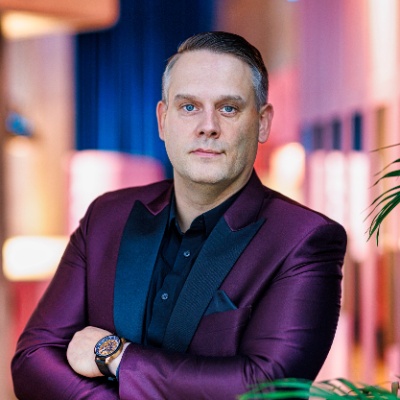
Pert Lomp
Strateegiline mentor ja süsteemide looja
Olen strateegiline mõtleja ja süsteemide looja, kes aitab inimestel ja organisatsioonidel liikuda kaosest selguse, struktuuri ja tulemuste suunas. Minu tugevus seisneb võimes näha suurt pilti ning siduda omavahel tehnoloogia, finantsid ja juhtimine tervikuks, mis päriselt töötab. Mul on üle 25 aasta kogemust erinevates rollides – alates tehnoloogia ja meedia valdkonnast kuni juhtimise, äriarenduse ja strateegilise nõustamiseni. Tegutsen täna eelkõige mentorina ja partnerina inimestele, kes on jõudnud punkti, kus järgmine samm ei vaja enam rohkem infot, vaid selgust, otsust ja suunda. Mind käivitab kasv – nii inimeste kui süsteemide tasandil. Usun, et enamik piiranguid ei tule väljastpoolt, vaid meie enda mõtteviisist, harjumustest ja uskumustest. Minu roll on aidata need mustrid nähtavaks teha, need lahti murda ning asendada need toimivate, teadlike valikutega. Minu lähenemine on kombinatsioon ratsionaalsest strateegiast ja sügavamast inimlikust mõistmisest. Töötan seal, kus kohtuvad loogika ja sisemine areng – kus otsused ei ole ainult õiged Excelis, vaid ka kooskõlas inimese tegeliku potentsiaali ja suunaga. Mentorina olen otsekohene, kohal ja tulemustele suunatud. Ma ei paku pehmendatud vastuseid, vaid selgust. Samas loon ruumi, kus inimene saab turvaliselt mõelda, näha ja kasvada. Minu jaoks on kõige suurem väärtus hetk, kus inimese sees tekib “klõps” – kui segadus asendub arusaamisega ja ebakindlus muutub teadlikuks liikumiseks edasi. Kui oled punktis, kus tead, et oled võimeline enamaks, aga vajad selgust, struktuuri ja tuge järgmise sammu tegemiseks, siis siin me kohtume.